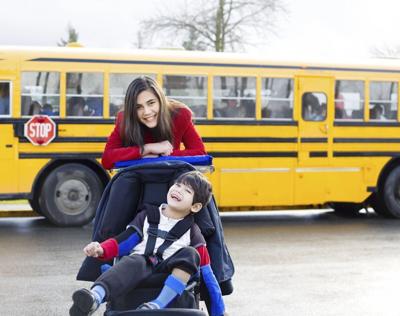


Photo Provided by DepositPhotos
For parents of children with cerebral palsy, school often becomes one of the most important environments to navigate. Classrooms shape not only academic learning, but also confidence, independence, and social development. While every child’s needs are different, many families discover that thoughtful advocacy plays a key role in creating a supportive school experience.
Understanding what to advocate for and how to approach those conversations can help parents feel more prepared and less overwhelmed.
Every School Experience Is Unique
Cerebral palsy affects children in different ways, which means school support should never follow a one-size-fits-all approach. Some students may need physical accommodations, while others benefit more from communication support, assistive technology, or flexible scheduling.
People are also reading…
Parents often find it helpful to focus on how their child learns and participates, rather than on labels or assumptions. Clear communication about strengths, challenges, and daily needs can guide schools toward practical solutions that support learning without limiting opportunity.
Accommodations Go Beyond the Classroom
When families think about school accommodations, classroom seating or mobility support often come to mind first. In practice, advocacy frequently extends into less visible areas of the school day.
This may include support during transitions between classes, accessible restrooms, extra time for assignments, or assistance during lunch and recess. Transportation, field trips, and emergency planning are also important considerations that can affect a child’s comfort and safety.
Addressing these details early can prevent misunderstandings and help schools plan more effectively.
Collaboration Builds Stronger Support
Many parents discover that advocacy works best when it feels collaborative rather than confrontational. Teachers and school staff may not have extensive experience supporting students with cerebral palsy, but they are often open to learning when given clear information.
Sharing insights about what works at home, what has helped in previous settings, and how the child communicates can foster mutual understanding. Regular check-ins allow parents and educators to adjust support as needs change over time.
Advocacy is rarely a one-time conversation. It evolves alongside the child’s development and the demands of each new school year.
Supporting Social Inclusion Matters
Academic access is only one part of the school experience. Social inclusion plays a significant role in a child’s sense of belonging. Parents often advocate for opportunities that encourage peer interaction, participation in group activities, and inclusion in classroom routines.
This may involve discussing adaptive physical education, inclusive extracurriculars, or classroom strategies that support communication and engagement. These efforts can help children build friendships and confidence alongside their peers.
Preparing for Transitions Can Ease Stress
Just as transitioning from pediatric to adult care requires renewed advocacy for those with cerebral palsy, so do transitions between grades, classrooms, or schools. What worked in one setting may need adjustment in another. Preparing ahead of time can make these changes smoother.
Parents may find it helpful to document successful accommodations and share that information with new educators. This continuity supports consistency and reduces the need to start from scratch each year.
Access to a trusted resource for kids with cerebral palsy can provide families with guidance as they navigate these transitions.
Parents Are Part of the Educational Team
Many families say they initially underestimated their role in shaping their child’s school experience. Over time, advocacy becomes less intimidating and more routine. Parents gain confidence by asking questions, sharing observations, and participating in planning conversations.
Advocacy does not require having all the answers. It often begins with listening, learning, and working alongside educators to support a child’s growth.
Building a Supportive School Experience Takes Time
Navigating school with cerebral palsy is an ongoing process. Needs change, environments shift, and new challenges emerge. With patience and preparation, parents can help create learning spaces that respect their child’s abilities and support their development.
By focusing on collaboration, inclusion, and flexibility, families can advocate in ways that strengthen both academic access and overall wellbeing.